
 Whatsapp
Dishonour of Bill of Exchange: Entries in the Books of Drawer and Drawee
A clear Class 11 Accountancy guide to dishonour of a bill of exchange, noting charges, and journal entries in the books of drawer and drawee.
- 11th
- Accounts
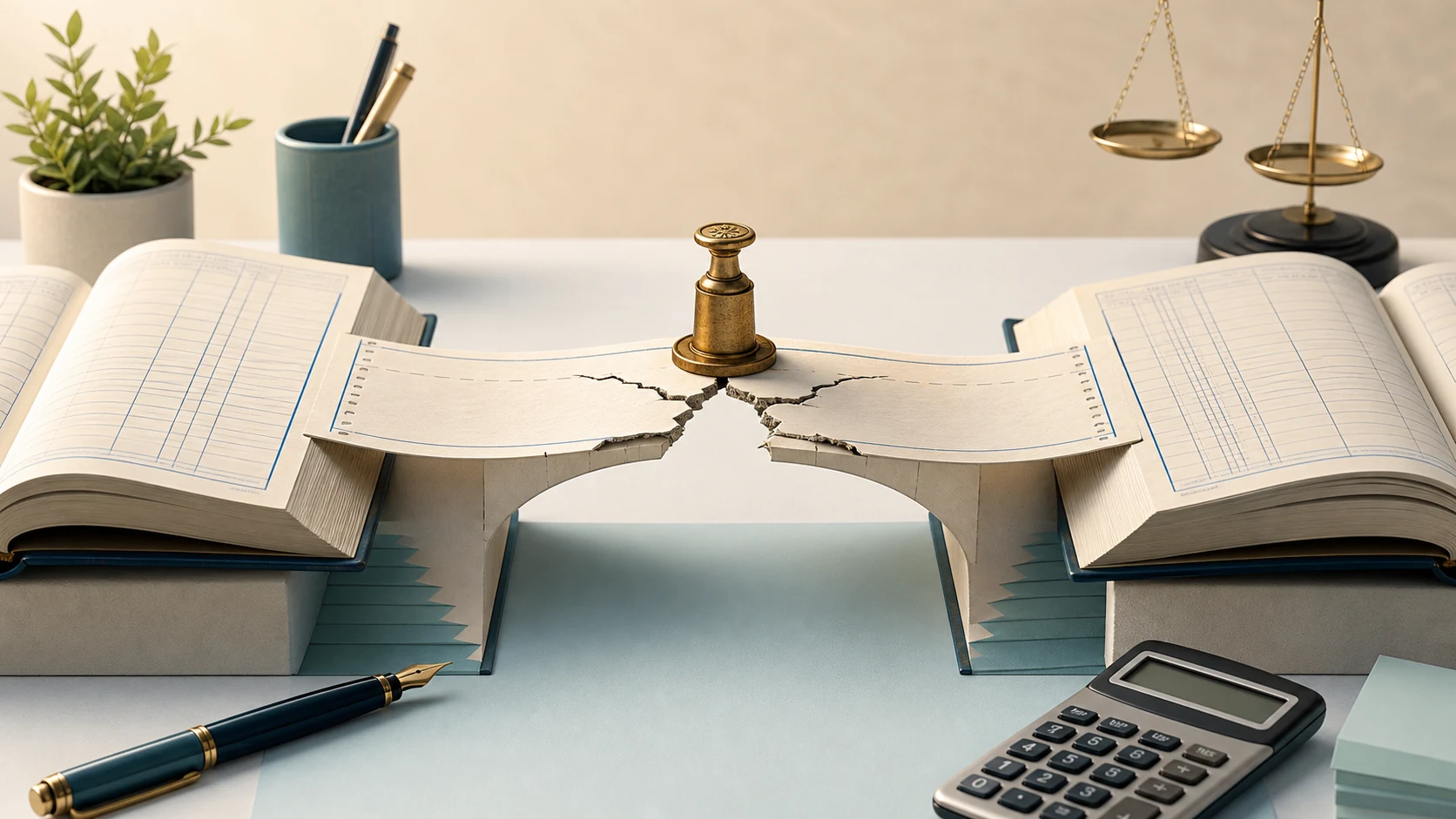
Dishonour of a bill of exchange sounds more difficult than it actually is.
Most students understand that a bill is dishonoured when the drawee does not pay on the date of maturity. The confusion starts when they have to pass the journal entries. Should Bills Receivable be credited? Should Bills Payable be debited? Why is the drawee debited again? Where do noting charges go? What changes if the bill was discounted with the bank or endorsed to a creditor?
The best way to understand dishonour is to stop treating it like a new chapter and start seeing it as a reversal.
When a bill was accepted, the original debtor-creditor relationship was temporarily replaced by Bills Receivable and Bills Payable. When the bill is dishonoured, that bill can no longer settle the debt. So the personal account comes back.
Once this idea is clear, the entries become much easier to remember.
First, Know the Three Main People
In most school questions, the names change but the roles remain the same.
| Party | Meaning | In simple words |
|---|---|---|
| Drawer | The person who draws the bill | Usually the seller or creditor |
| Drawee | The person on whom the bill is drawn | Usually the buyer or debtor |
| Payee | The person who will receive the money | Often the drawer, unless the bill is transferred |
Suppose A sells goods to B on credit and draws a bill on B. B accepts it.
Here:
- A is the drawer.
- B is the drawee or acceptor.
- A is also the payee if the bill is kept by A.
If A endorses the bill to C, then C becomes the holder of the bill. But the original relationship still began between A and B.
What Happens Before Dishonour?
Before learning the dishonour entry, you must know what happened when the bill was accepted.
Suppose A sold goods to B for ₹10,000 and B accepted a bill for the same amount.
In the books of A, the drawer:
| Particulars | Debit | Credit |
|---|---|---|
| B’s A/c Dr. | ₹10,000 | |
| To Sales A/c | ₹10,000 | |
| Bills Receivable A/c Dr. | ₹10,000 | |
| To B’s A/c | ₹10,000 |
In the books of B, the drawee:
| Particulars | Debit | Credit |
|---|---|---|
| Purchases A/c Dr. | ₹10,000 | |
| To A’s A/c | ₹10,000 | |
| A’s A/c Dr. | ₹10,000 | |
| To Bills Payable A/c | ₹10,000 |
Look carefully at the second entry in both books.
In A’s books, B was removed from debtors and Bills Receivable came in.
In B’s books, A was removed from creditors and Bills Payable came in.
So if the bill is honoured, the bill settles everything. But if the bill is dishonoured, the bill fails and the personal account must return.
The Core Rule of Dishonour
When the drawee does not pay the bill on maturity, the bill is dishonoured.
This means:
- The drawer again has a claim against the drawee.
- The drawee again owes the drawer.
- Bills Receivable is removed from the drawer’s books if the drawer still holds the bill.
- Bills Payable is removed from the drawee’s books.
- Any noting charges are ultimately recovered from the drawee.
For a bill of ₹10,000 with no noting charges, the basic dishonour entries are:
In the books of drawer:
| Particulars | Debit | Credit |
|---|---|---|
| Drawee’s A/c Dr. | ₹10,000 | |
| To Bills Receivable A/c | ₹10,000 |
In the books of drawee:
| Particulars | Debit | Credit |
|---|---|---|
| Bills Payable A/c Dr. | ₹10,000 | |
| To Drawer’s A/c | ₹10,000 |
This is the cleanest version. Once you understand this, noting charges and special cases are only additions.
What Are Noting Charges?
When a bill is dishonoured, the holder may get the dishonour officially recorded by a notary public. The fee paid for this is called noting charges.
Students often get confused because the noting charges may be paid by different people:
- the drawer, if the drawer held the bill till maturity
- the bank, if the bill was discounted or sent for collection
- the endorsee, if the bill was endorsed
But the final burden is on the drawee, because the drawee failed to pay.
This is why the drawee is debited with noting charges in the drawer’s books, and Noting Charges Account is debited in the drawee’s own books.
Dishonour When the Drawer Holds the Bill Till Maturity
This is the first case students should master.
Suppose A draws a bill on B for ₹10,000. A keeps the bill till maturity. On the due date, B dishonours the bill and A pays noting charges of ₹200.
In the books of A, the drawer:
| Particulars | Debit | Credit |
|---|---|---|
| B’s A/c Dr. | ₹10,200 | |
| To Bills Receivable A/c | ₹10,000 | |
| To Cash/Bank A/c | ₹200 |
Why is B debited with ₹10,200?
Because B now owes:
- the original bill amount of ₹10,000
- the noting charges of ₹200 paid because of B’s default
In the books of B, the drawee:
| Particulars | Debit | Credit |
|---|---|---|
| Bills Payable A/c Dr. | ₹10,000 | |
| Noting Charges A/c Dr. | ₹200 | |
| To A’s A/c | ₹10,200 |
Why is Bills Payable debited?
Because the liability under Bills Payable is cancelled. B is no longer simply paying a bill. B now owes A personally again.
Dishonour When the Bill Was Discounted With the Bank
Now suppose A did not keep the bill. A discounted it with the bank.
This means A received money from the bank before maturity. On the date of maturity, the bank presents the bill to B. B dishonours it. The bank recovers the amount from A and also pays noting charges.
Suppose the bill amount is ₹10,000 and noting charges are ₹200.
In the books of A, the drawer:
| Particulars | Debit | Credit |
|---|---|---|
| B’s A/c Dr. | ₹10,200 | |
| To Bank A/c | ₹10,200 |
Why is Bank Account credited?
Because the bank has recovered the dishonoured bill amount and noting charges from A. Now A must recover that total from B.
In the books of B, the drawee:
| Particulars | Debit | Credit |
|---|---|---|
| Bills Payable A/c Dr. | ₹10,000 | |
| Noting Charges A/c Dr. | ₹200 | |
| To A’s A/c | ₹10,200 |
Notice something important. The drawee’s entry does not become complicated just because the drawer discounted the bill. In B’s books, the bill still fails and B still owes A.
Dishonour When the Bill Was Endorsed
Endorsement means the drawer transferred the bill to another person, usually to settle a debt.
Suppose A owes C money. A endorses B’s accepted bill to C. On maturity, B dishonours the bill and C pays noting charges of ₹200.
Now C can recover from A, because A had endorsed the bill to C. A, in turn, will recover from B.
In the books of A, the drawer:
| Particulars | Debit | Credit |
|---|---|---|
| B’s A/c Dr. | ₹10,200 | |
| To C’s A/c | ₹10,200 |
Why is C credited?
Because A is now liable to C for the dishonoured bill and the noting charges paid by C.
In the books of B, the drawee:
| Particulars | Debit | Credit |
|---|---|---|
| Bills Payable A/c Dr. | ₹10,000 | |
| Noting Charges A/c Dr. | ₹200 | |
| To A’s A/c | ₹10,200 |
The logic is still the same. B caused the dishonour, so B must bear the bill amount and the noting charges.
Dishonour When the Bill Was Sent for Collection
Sometimes the drawer sends the bill to the bank only for collection. This is different from discounting.
In discounting, the drawer receives money immediately from the bank.
In collection, the bank simply collects the money from the drawee on maturity and then credits the drawer.
If the bill is dishonoured, the bank informs the drawer and may pay noting charges.
Suppose the bill amount is ₹10,000 and noting charges paid by the bank are ₹200.
In the books of A, the drawer:
| Particulars | Debit | Credit |
|---|---|---|
| B’s A/c Dr. | ₹10,200 | |
| To Bills Sent for Collection A/c | ₹10,000 | |
| To Bank A/c | ₹200 |
In the books of B, the drawee:
| Particulars | Debit | Credit |
|---|---|---|
| Bills Payable A/c Dr. | ₹10,000 | |
| Noting Charges A/c Dr. | ₹200 | |
| To A’s A/c | ₹10,200 |
Here, Bills Sent for Collection Account is credited because the bill is no longer successfully waiting for collection. It has failed.
The Quick Summary Table
Use this table for revision after you understand the logic.
| Situation | Entry in the books of drawer |
|---|---|
| Bill retained and dishonoured | Drawee’s A/c Dr. to Bills Receivable A/c, and to Cash/Bank A/c for noting charges |
| Discounted bill dishonoured | Drawee’s A/c Dr. to Bank A/c |
| Endorsed bill dishonoured | Drawee’s A/c Dr. to Endorsee’s A/c |
| Bill sent for collection dishonoured | Drawee’s A/c Dr. to Bills Sent for Collection A/c, and to Bank A/c for noting charges |
For the drawee, the common entry is:
| Particulars | Debit | Credit |
|---|---|---|
| Bills Payable A/c Dr. | Bill amount | |
| Noting Charges A/c Dr. | Noting charges | |
| To Drawer’s A/c | Total amount |
If there are no noting charges, remove the Noting Charges line and use only the bill amount.
A Full Solved Example
Let us solve one example slowly.
On 1 April, A sold goods to B for ₹20,000 and drew a bill on B for three months. B accepted the bill. A retained the bill till maturity. On the due date, B dishonoured the bill and A paid ₹300 as noting charges.
Pass entries in the books of A and B.
Books of A
| Date | Particulars | Debit | Credit |
|---|---|---|---|
| Apr 1 | B’s A/c Dr. | ₹20,000 | |
| To Sales A/c | ₹20,000 | ||
| Apr 1 | Bills Receivable A/c Dr. | ₹20,000 | |
| To B’s A/c | ₹20,000 | ||
| On maturity | B’s A/c Dr. | ₹20,300 | |
| To Bills Receivable A/c | ₹20,000 | ||
| To Cash/Bank A/c | ₹300 |
Books of B
| Date | Particulars | Debit | Credit |
|---|---|---|---|
| Apr 1 | Purchases A/c Dr. | ₹20,000 | |
| To A’s A/c | ₹20,000 | ||
| Apr 1 | A’s A/c Dr. | ₹20,000 | |
| To Bills Payable A/c | ₹20,000 | ||
| On maturity | Bills Payable A/c Dr. | ₹20,000 | |
| Noting Charges A/c Dr. | ₹300 | ||
| To A’s A/c | ₹20,300 |
The final dishonour entry is the most important one. A again shows B as debtor for ₹20,300. B again shows A as creditor for ₹20,300.
Why Students Make Mistakes in This Topic
Dishonour entries look small, but they test whether you understand the complete journey of the bill.
Here are the most common mistakes.
| Mistake | Correct idea |
|---|---|
| Crediting Drawee’s Account in the drawer’s books | The drawee is debited because the drawee again owes money |
| Forgetting noting charges | Add noting charges to the amount recoverable from the drawee |
| Debiting Bank in the drawer’s books for a discounted dishonoured bill | Bank is credited because the bank recovers from the drawer |
| Treating endorsement like discounting | In endorsement, the endorsee is credited in the drawer’s books |
| Changing the drawee’s entry in every case | The drawee’s dishonour entry is usually the same in common school questions |
A Simple Method to Solve Any Dishonour Question
Use this four-step method in practice.
- Identify the drawer and drawee.
- Check where the bill was at maturity: with drawer, bank, endorsee, or bank for collection.
- Add noting charges to the amount recoverable from the drawee.
- Write the drawer’s entry first, then the drawee’s entry.
This prevents most mistakes.
If the question asks only for entries at the time of dishonour, do not waste time writing sale and acceptance entries unless they are required. But for full journal questions, write the complete sequence.
Practice Question
Ravi sold goods to Mohan for ₹15,000 and drew a bill on Mohan. Mohan accepted the bill. Ravi endorsed the bill to Karan. On maturity, Mohan dishonoured the bill and Karan paid ₹250 as noting charges.
What entry will Ravi pass at the time of dishonour?
Ravi will pass:
| Particulars | Debit | Credit |
|---|---|---|
| Mohan’s A/c Dr. | ₹15,250 | |
| To Karan’s A/c | ₹15,250 |
Why?
Mohan is responsible for the dishonour, so Ravi will recover ₹15,250 from Mohan. Karan paid the noting charges and holds the dishonoured bill, so Ravi becomes liable to Karan for the total amount.
How to Remember the Entries Without Rote Learning
Try this sentence:
“The bill failed, so the drawee comes back.”
In the drawer’s books, the drawee comes back as debtor.
In the drawee’s books, the drawer comes back as creditor.
Noting charges follow the same direction because they are also recovered from the drawee.
If you remember only the formats but not the logic, the topic will feel heavy. If you remember the relationship, the formats become natural.
Frequently Asked Questions
What is dishonour of a bill of exchange?
Dishonour of a bill of exchange means the bill is not accepted or not paid when it is properly presented. In Accountancy journal entries, we usually deal with dishonour by non-payment, where the drawee accepted the bill earlier but failed to pay on the date of maturity.
Who is responsible for noting charges?
The drawee is responsible for noting charges because the drawee failed to pay the bill. The holder, bank, or endorsee may pay the charges first, but the amount is ultimately recovered from the drawee.
What is the entry for dishonour in the books of the drawer?
If the drawer held the bill till maturity, the entry is: Drawee’s A/c Dr. to Bills Receivable A/c and to Cash/Bank A/c for noting charges. If there are no noting charges, it is simply Drawee’s A/c Dr. to Bills Receivable A/c.
What is the entry for dishonour in the books of the drawee?
The usual entry is: Bills Payable A/c Dr., Noting Charges A/c Dr., to Drawer’s A/c. If there are no noting charges, the entry is Bills Payable A/c Dr. to Drawer’s A/c.
Why is the drawee debited in the drawer’s books?
The drawee is debited because the drawee again owes money to the drawer. The bill has failed, so the drawer’s claim against the drawee returns.
Why is Bills Payable debited in the drawee’s books?
Bills Payable is debited because the bill liability is cancelled on dishonour. The drawee no longer shows the amount as Bills Payable. Instead, the drawee again shows the drawer as creditor.
Does the drawee’s dishonour entry change if the bill was discounted or endorsed?
In common school-format questions, the drawee’s entry usually remains the same: debit Bills Payable and Noting Charges, then credit the drawer’s account. The main changes happen in the drawer’s books depending on whether the bill was held, discounted, endorsed, or sent for collection.
What happens if there are no noting charges?
If there are no noting charges, ignore the Noting Charges line. Record only the reversal of the bill amount in both books.
Looking for commerce tuitions?
Prachi is a gold-medalist commerce teacher with experience at Deloitte and KPMG. She focuses on fundamentals to build a strong foundation.